
Have you ever faced a hilarious disaster while trying to train your pet? You’re not alone! Many pet owners experience funny life lessons about pet training fails that not only provide comic relief but also valuable insights into the training process. With over 15 years of experience in pet behavior analysis, I’ve seen countless amusing situations that teach us essential principles of pet training. In this article, you will discover relatable anecdotes that highlight common pitfalls, the humorous side of pet ownership, and practical tips to improve your training approach. Get ready to laugh while learning how to navigate the delightful chaos of training your furry friends!
Understanding the Basics of Pet Training
Pet training is essential for fostering a harmonious relationship between pets and their owners. However, many pet owners experience humorous training fails that can teach valuable lessons. Understanding the foundational principles of pet training can help minimize these situations. Positive reinforcement, patience, and consistency are key elements that contribute to successful training. When these principles are overlooked, it often leads to comical mishaps that highlight the learning curve involved in pet ownership.
The Importance of Positive Reinforcement
Positive reinforcement involves rewarding desired behaviors, which can significantly improve training outcomes. When pets receive praise, treats, or affection for good behavior, they are more likely to repeat it. However, when training fails, it often stems from inconsistent reinforcement, where pets might not understand what behavior is being rewarded. This can lead to funny moments where pets misinterpret cues, resulting in amusing behaviors that provide comic relief.
Common Training Mistakes to Avoid
Many training fails arise from common mistakes, such as using negative reinforcement or lacking clarity in commands. For example, yelling at a pet for misbehavior may confuse them rather than correct it. Additionally, failing to establish a routine can create uncertainty for pets. These mistakes can lead to humorous situations, such as a dog responding to the wrong command or a cat ignoring its owner’s requests entirely, showcasing the importance of effective communication in training.
Key Points:
- Positive reinforcement is key to successful training
- Avoid common training pitfalls for better results
Learning from Pet Training Fails
Every training failure presents an opportunity for growth, both for pets and their owners. The humorous moments that arise from these fails often serve as the best teaching tools. By reflecting on what went wrong, pet owners can adjust their approach and enhance their training techniques. Embracing these funny experiences can also strengthen the bond between pets and their owners, transforming potential frustration into cherished memories. Ultimately, the journey of pet training is filled with laughter and learning.
Transforming Frustration into Fun
When a training attempt goes awry, it can be easy to feel frustrated. However, recognizing the humor in these situations can transform frustration into fun. Laughing at a pet’s unexpected antics can lighten the mood and create a more positive training atmosphere. This shift in perspective encourages a more relaxed approach to training, making it enjoyable for both pets and owners and allowing for better learning outcomes.
Documenting the Journey
Keeping a journal or taking videos of training sessions can provide valuable insights into both successes and failures. Documenting these moments not only captures the funny fails but also allows pet owners to track progress over time. Reflecting on past training sessions can reveal patterns or recurring issues, helping owners adjust their strategies. Looking back at these moments can also serve as a reminder of the joy and laughter pets bring into our lives.
Key Points:
- Embrace humor to improve training experiences
- Documenting training can reveal progress and provide laughs
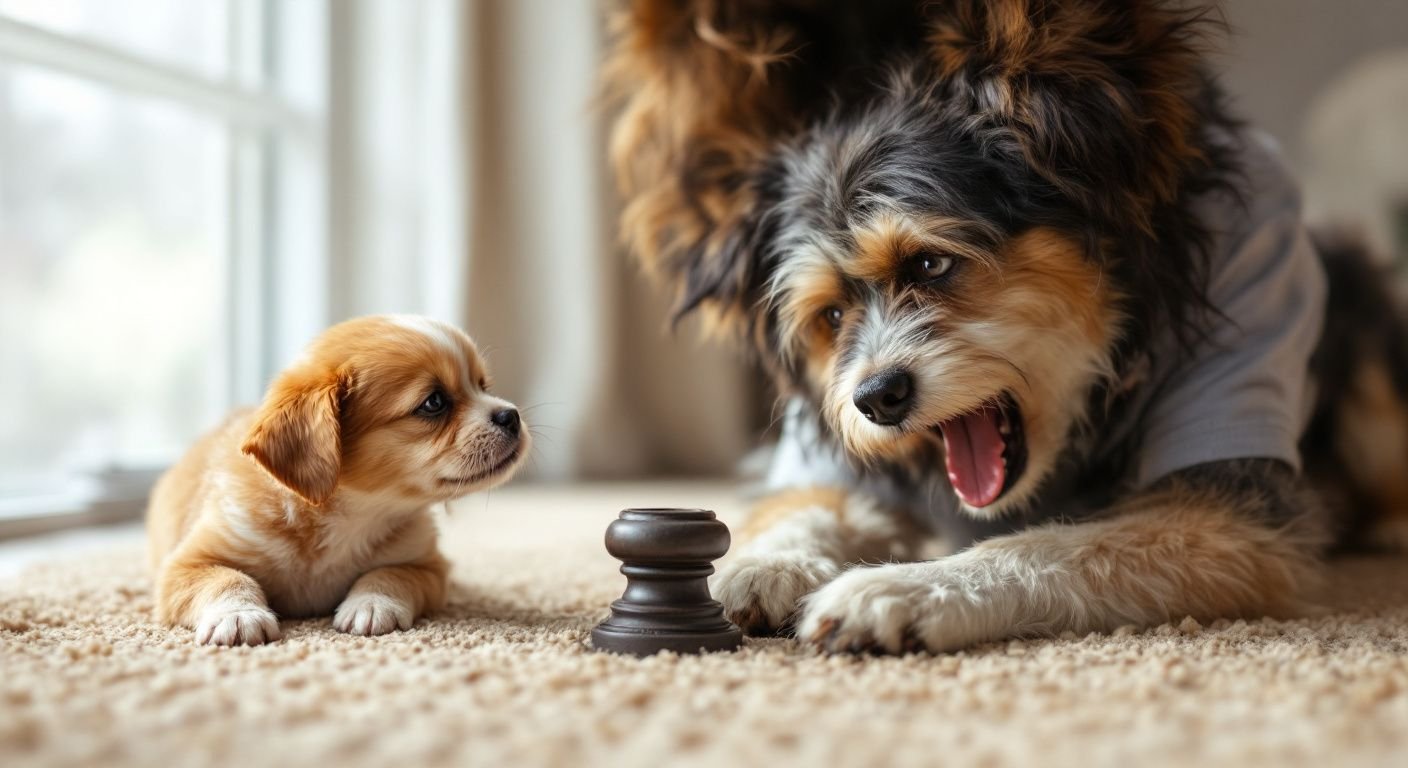
Understanding the Humor in Training Fails
Pet training can often lead to comical outcomes that teach us valuable lessons. The process is rarely linear; setbacks are common. Recognizing these funny moments helps us maintain a positive attitude and encourages us to keep trying. Each training fail can be seen as a stepping stone rather than a setback, allowing pet owners to learn patience and resilience. The light-hearted nature of these experiences often forges a stronger bond between pets and their owners, making the training journey more enjoyable.
Common Training Fails
Many pet owners encounter similar comedic training fails, such as dogs ignoring commands or cats choosing to climb curtains instead of scratching posts. These scenarios highlight the difference between human expectations and pet instincts. Acknowledging these common pitfalls can help owners adjust their training strategies and expectations accordingly.
The Importance of Laughter
Laughter plays a significant role in pet training. It reduces stress for both the owner and the pet, making the training environment more relaxed. When pet owners can laugh at their own mistakes, they are more likely to encourage a playful and positive learning atmosphere. This not only helps in training but also contributes to the overall well-being of the pet.
Key Points:
- Training failures provide opportunities for growth and understanding.
- Laughter strengthens the bond between pets and their owners.
💡 Embrace the missteps as part of the learning process; they provide valuable insights into your pet’s behavior.
💡 Keep a sense of humor; laughter can ease frustration and improve your connection with your pet.
Turning Fails into Learning Opportunities
Using training fails as learning opportunities can transform the pet training experience. Each mishap offers insights into a pet’s personality and learning style. Instead of focusing solely on the failed commands, owners can analyze what went wrong and adjust their approach. This proactive mindset can lead to better outcomes in training and a more harmonious relationship with pets. Understanding that each pet is unique enables owners to tailor training methods that respect their pet’s individual quirks.
Analyzing Failures
After a training fail, take time to assess what happened. Was the command unclear? Was the environment too distracting? Reflecting on these questions can provide clarity on how to refine your approach. Keeping a training journal can also help track progress, noting what works and what doesn’t.
Adjusting Techniques
Once you identify the root of a training fail, it’s crucial to adapt your techniques. This may involve breaking commands into smaller steps, changing your tone of voice, or practicing in a quieter space. Flexibility in your methods allows for a more personalized training experience, catering to your pet’s specific needs.
Key Points:
- Analyzing failures allows for tailored training approaches.
- Flexibility in training techniques enhances learning and strengthens bonds.
💡 Maintain a training journal to reflect on successes and failures; this can help identify patterns in behavior.
💡 Adjust your training environment to minimize distractions; a calm space can lead to better focus from your pet.
EXPERT TIPS Pro Advice
Use positive reinforcement consistently
Rewarding desired behaviors encourages pets to repeat them. Consistency in rewards helps pets understand what actions lead to positive outcomes.
Keep training sessions short and fun
Pets have limited attention spans. Short, engaging sessions prevent boredom and promote better retention of commands.
Be patient and adjust expectations
Understanding that training takes time and that pets learn at their own pace can reduce frustration and enhance the training experience.
Frequently Asked Questions
Conclusion
Training pets can lead to humorous mishaps, but these moments also provide valuable lessons. By understanding the importance of consistency and positive reinforcement, pet owners can avoid common fails. Embracing mistakes with a sense of humor makes training more effective and enjoyable for everyone involved.
🎯 Key Takeaways:
- Consistency is key for effective training.
- Positive reinforcement enhances the learning experience.
- Pets can learn from their training mistakes.
- Redirecting attention helps mitigate training fails.
Expert Advice: Stay patient and adaptable during training. Embrace the funny moments, as they often lead to the best lessons. Your pet is learning alongside you, so enjoy the journey together.
Reflect on your own training experiences and consider how you can improve your techniques for a more successful and enjoyable pet training journey.