
Have you ever wondered how growing up with siblings shapes your character and perspective on life? Life lessons from living with siblings can be profound, teaching us essential skills such as empathy, conflict resolution, and teamwork. As someone who has navigated the complexities of sibling relationships, I can attest to the invaluable insights they provide. In this article, we’ll explore key life lessons that emerge from these unique family dynamics, illustrating how they contribute to our personal growth and resilience. Get ready to uncover the transformative power of sibling experiences and how they can enrich your life and relationships.
Understanding the Dynamics of Sibling Relationships
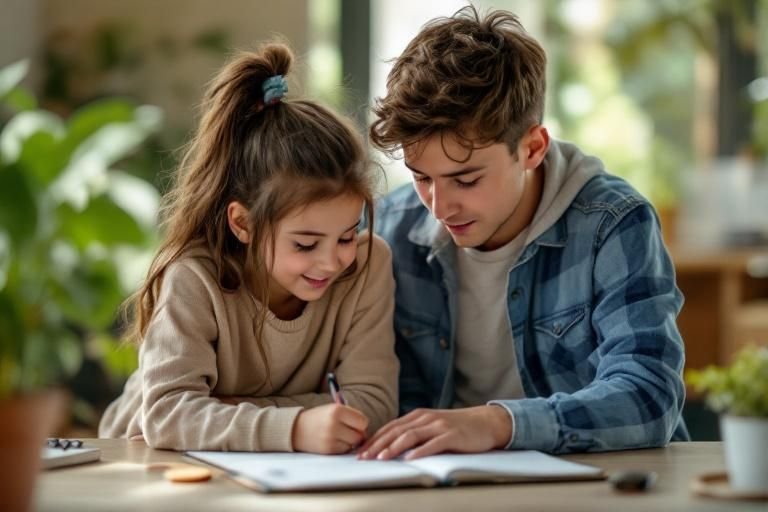
Living with siblings presents a unique set of challenges and rewards that shape our understanding of relationships and personal growth. Sibling dynamics can vary widely, influenced by factors such as age differences, personality types, and individual family circumstances. This foundational understanding is crucial, as it sets the stage for the life lessons that emerge through shared experiences and interactions. These relationships often serve as the first exposure to social dynamics, teaching essential skills that are applicable in various aspects of life.
The Role of Competition
Competition among siblings is a natural phenomenon that can drive each to excel. This rivalry can teach important lessons in resilience and perseverance as siblings push each other to achieve goals, whether in academics, sports, or personal interests. Understanding and managing this competition can lead to healthy relationships that foster growth rather than resentment.
Conflict Resolution Skills
Sibling relationships often involve disagreements, providing an early platform for learning conflict resolution. Navigating disputes over toys, shared space, or differing opinions helps develop negotiation skills and compromise, which are invaluable in adult life. The ability to resolve conflicts amicably can enhance future professional and personal relationships.
Building Empathy and Support
Siblings often share experiences that foster deep emotional bonds. Living together through various life stages cultivates empathy as siblings learn to support one another through challenges. This emotional support system can significantly shape one’s ability to connect with others, fostering a sense of community and belonging that extends beyond the family unit.
Key Points:
- Sibling relationships are foundational for social skill development
- Conflict resolution is a critical life lesson learned through sibling interactions
Key Life Lessons Learned from Sibling Experiences
Growing up with siblings can impart various life lessons that last a lifetime. These lessons often revolve around social skills, emotional intelligence, and personal development, all shaped by daily interactions and shared experiences. The sibling bond can offer insights into trust, loyalty, and the complexities of human relationships, serving as a microcosm of broader societal interactions. Recognizing these lessons can help individuals appreciate the value of sibling relationships and the lifelong impact they can have on personal growth.
Sharing and Generosity
Sharing is a fundamental lesson learned from living with siblings. Whether it’s sharing toys, space, or parental attention, siblings learn the importance of generosity and compromise. These early lessons in sharing can translate into adulthood, fostering a spirit of collaboration and teamwork in both personal and professional settings.
Developing a Sense of Identity
Siblings often influence each other’s sense of identity through comparison and contrast. Each sibling’s unique personality allows for individual expression while also helping to define one’s role within the family. This dynamic encourages self-discovery and can lead to a stronger sense of self as siblings navigate their differences and similarities.
Lifelong Bonds and Friendship
Many siblings develop a lifelong friendship that extends beyond childhood. The shared experiences and memories create a bond that can offer support and companionship throughout life. This friendship can be a source of comfort during difficult times, reinforcing the importance of maintaining close relationships with those we grow up with.
Key Points:
- Sharing and generosity are foundational lessons in sibling relationships
- Sibling dynamics can shape one’s identity and sense of self
Communication Skills Developed Through Conflict
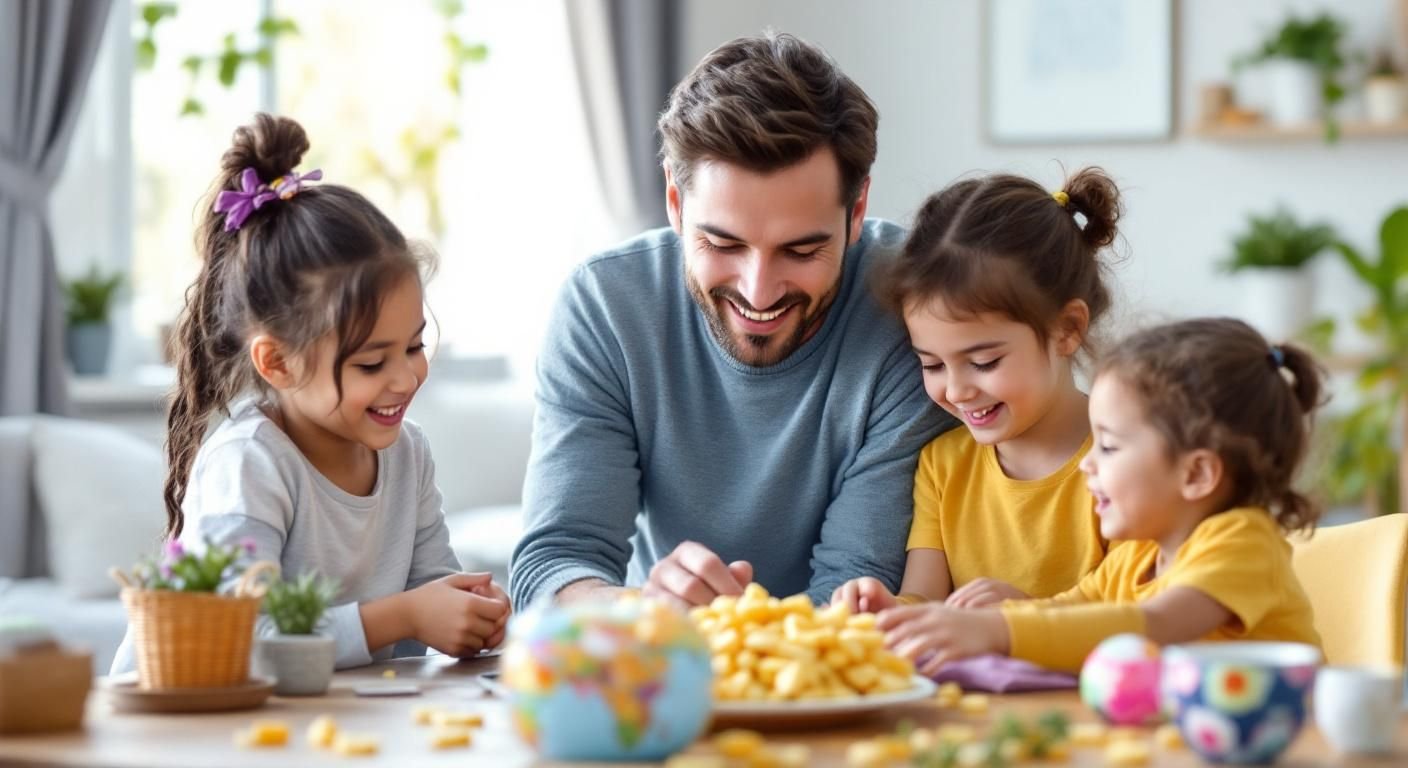
Living with siblings often leads to disagreements and misunderstandings, which can significantly enhance communication skills. When siblings argue, they learn to express their feelings and negotiate solutions. This process teaches the importance of active listening and finding common ground, essential skills in adulthood. Moreover, resolving sibling conflicts fosters emotional intelligence, as individuals become more aware of their emotions and those of others. Over time, these experiences can make navigating relationships in various contexts smoother and more effective.
Learning to Resolve Conflicts
Conflict resolution is a crucial life skill gained from sibling interactions. Siblings often experience conflicts over shared spaces or belongings, requiring them to develop strategies to resolve issues amicably. This skill is transferable to friendships and professional relationships, where negotiation and compromise are key.
Enhancing Empathy and Understanding
Living closely with siblings provides numerous opportunities to practice empathy. Observing a sibling’s reactions and feelings during conflicts helps individuals develop a deeper understanding of diverse perspectives. This emotional insight is vital for building strong interpersonal relationships throughout life.
Key Points:
- Conflict with siblings enhances communication and negotiation skills.
- Empathy developed through sibling interactions is crucial for healthy relationships.
💡 Practice active listening: Focus entirely on what your sibling is saying during disagreements to foster understanding and reduce misunderstandings.
💡 Establish ground rules for conflict: Create guidelines with your siblings for handling disagreements, which can lead to more respectful resolutions.
💡 Engage in family discussions: Encourage open discussions about feelings within the family to normalize communication and conflict resolution.
Teamwork and Collaboration in Daily Life
Growing up with siblings fosters a strong sense of teamwork and collaboration. Daily tasks, whether it’s chores, homework, or playing games, require siblings to work together. This shared responsibility teaches the value of cooperation and the importance of contributing to a common goal. Such experiences not only strengthen familial bonds but also prepare individuals for collaborative environments in school and work settings. The ability to work effectively in a team is an invaluable asset in today’s interconnected world.
Sharing Responsibilities
When siblings share household responsibilities, they learn to rely on one another. This collaboration teaches accountability and the significance of contributing to a shared space. By dividing tasks, siblings also become adept at time management, balancing responsibilities between personal and collective needs.
Building Trust Through Team Activities
Engaging in team activities, like sports or group projects, fosters trust among siblings. These experiences encourage individuals to depend on each other and celebrate each other’s strengths. Building trust in a sibling relationship enhances emotional security and creates a supportive environment for personal growth.
Key Points:
- Teamwork with siblings fosters accountability and collaboration.
- Shared responsibilities build trust and strengthen familial relationships.
💡 Set joint goals: Establish shared objectives with your siblings, whether for chores or projects, to enhance teamwork and accountability.
💡 Celebrate achievements: Acknowledge each other’s contributions in collaborative efforts to build trust and foster a positive environment.
💡 Engage in team-building activities: Participate in family games or sports that require collaboration, enhancing teamwork skills and strengthening bonds.
EXPERT TIPS Pro Advice
Encourage open communication from a young age
Fostering an environment where siblings feel safe to express their thoughts encourages healthier discussions and conflict resolution.
Model positive conflict resolution
Demonstrating constructive ways to handle disagreements sets a precedent for siblings to follow in their interactions.
Create opportunities for collaboration
Involve siblings in group activities or projects to enhance their teamwork skills and strengthen their relationship.
Promote empathy by discussing feelings
Encouraging siblings to talk about their emotions fosters understanding and helps them navigate conflicts more effectively.
Celebrate individuality within the team dynamic
Recognizing each sibling’s unique strengths reinforces teamwork while allowing for personal growth.
Frequently Asked Questions
Conclusion
Living with siblings offers numerous life lessons that shape interpersonal skills and personal growth. Key takeaways include conflict resolution, responsibility, and the importance of communication. These experiences contribute significantly to emotional intelligence and prepare individuals for future relationships.
🎯 Key Takeaways:
- Siblings teach valuable conflict resolution skills.
- Living with siblings enhances social and emotional intelligence.
- Shared responsibilities foster accountability.
- Sibling relationships significantly impact personal development.
Expert Advice: Embrace the challenges and joys of sibling relationships. They are invaluable opportunities for learning and growth that can enrich your life long after childhood.
Reflect on your sibling experiences and consider how they have shaped your life. Reach out to your siblings and strengthen those bonds.