
Have you ever wondered why gardening fails is so relatable to so many aspiring green thumbs? According to surveys, nearly 70% of beginner gardeners experience significant challenges within their first year. These struggles often lead to frustration and abandonment of what could be a rewarding hobby. As an experienced gardener with over a decade of hands-on experience, I understand the hurdles that can make gardening feel overwhelming. In this article, we will explore the common reasons why gardening fails, the emotional toll it can take, and practical tips to help you cultivate success in your garden. Whether you’re a newbie or looking to refine your skills, you’re not alone in this journey. Let’s delve into the relatable reasons behind gardening failures and how you can overcome them to enjoy a thriving garden.
Understanding Common Gardening Challenges
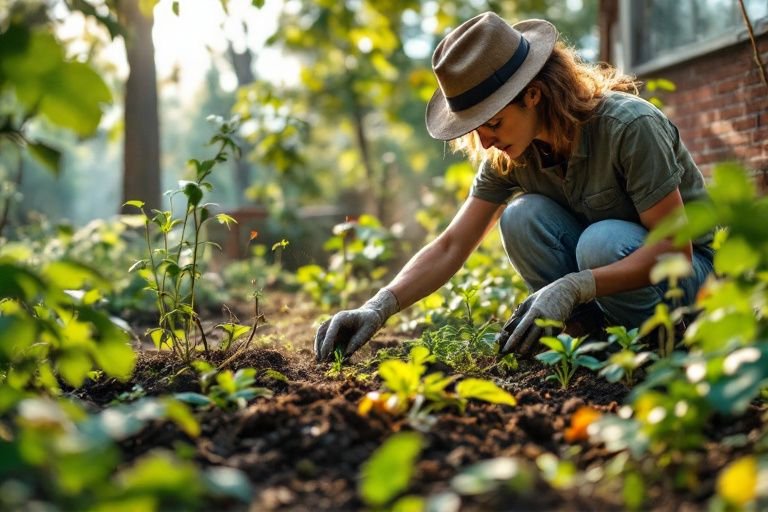
Gardening can be a rewarding hobby, yet many enthusiasts find themselves frustrated when their plants fail to thrive. Understanding the common challenges can help gardeners align their expectations with reality. Factors such as climate, soil quality, and maintenance routines significantly influence gardening success. Many gardeners encounter issues like pests, diseases, or poor plant selection, leading to feelings of defeat. Knowing these challenges is the first step toward overcoming them. By identifying specific problems, gardeners can implement targeted solutions that foster a more productive gardening experience.
Environmental Factors
Weather conditions, such as temperature extremes and humidity levels, can drastically affect plant health. For instance, certain plants thrive in cooler climates, while others prefer warmer temperatures. It’s crucial for gardeners to research their local climate and choose plants that are suited to their environment to avoid disappointment.
Soil Quality and Composition
The quality of soil plays a vital role in gardening success. Poor soil can lead to nutrient deficiencies, resulting in weak plant growth. Gardeners should test soil pH and amend it as necessary with organic matter or fertilizers to create an optimal growing environment for their plants.
Maintenance Routines
Regular maintenance, including watering, pruning, and pest control, is essential for healthy plants. A common mistake is to underestimate the time and effort required for consistent care. Establishing a routine can help gardeners stay on top of their plants’ needs and reduce the likelihood of failure.
Key Points:
- Identifying common gardening challenges is key to success.
- Environmental and soil factors significantly affect plant health.
Psychological Aspects of Gardening Failures
The emotional journey of gardening can be as significant as the physical effort involved. When plants fail to thrive, many gardeners experience frustration and disappointment. This emotional response is often related to the time and care they invest in their gardens. The relatable nature of gardening failures stems from the universal desire to nurture and grow. Acknowledging these feelings can help gardeners process their experiences and learn from their mistakes. Embracing the ups and downs of gardening can ultimately lead to a more fulfilling and resilient gardening journey.
Expectations vs. Reality
Many new gardeners enter the hobby with high expectations, envisioning lush blooms and bountiful harvests. However, reality often presents a series of setbacks. Understanding that gardening is a learning process can help manage these expectations and reduce feelings of inadequacy when failures occur.
The Community Aspect
Gardening is often a shared experience, and discussing failures with fellow gardeners can provide comfort and support. Many find solace in the fact that others have faced similar challenges, fostering a sense of community that can alleviate feelings of isolation when plants do not perform as expected.
Learning from Mistakes
Failures in gardening can serve as valuable learning opportunities. Each setback provides insights into what works and what doesn’t. By reflecting on these experiences, gardeners can refine their techniques and improve their skills, ultimately leading to greater success in subsequent gardening endeavors.
Key Points:
- Emotional responses to gardening failures are common and relatable.
- Learning from mistakes can lead to improved gardening skills.
Common Reasons Gardening Fails
Gardening often fails due to a variety of common pitfalls that many novice gardeners encounter. One primary reason is inadequate planning, where gardeners dive into planting without understanding their local climate, soil conditions, or plant requirements. Additionally, overwatering or underwatering plants is a frequent mistake, leading to root rot or drought stress. Another significant factor is pest management; many gardeners underestimate the impact pests can have on their plants, leading to unexpected failures. Understanding these common issues can help in making informed decisions.
Inadequate Planning
Many gardeners fail because they neglect to plan ahead. This includes researching the best plants for their specific climate and understanding the growing season. By preparing a garden layout and selecting appropriate plants, gardeners can avoid common mistakes and increase their chances of success.
Watering Mistakes
Watering is crucial for plant health, yet many gardeners struggle with finding the right balance. Overwatering can suffocate roots, while underwatering can lead to wilting. Employing methods like soil moisture testing can help gardeners determine when to water effectively.
Ignoring Pest Control
Pests can devastate a garden if not managed properly. Many gardeners overlook this aspect until it’s too late. Integrating preventative measures, such as companion planting or introducing beneficial insects, can create a healthier garden ecosystem and reduce pest-related failures.
Key Points:
- Planning is crucial for gardening success.
- Watering practices significantly affect plant health.
- Pest management is essential to avoid crop failures.
💡 Plan your garden layout thoroughly to include suitable plants for your climate zone.
💡 Use a moisture meter to regularly check soil conditions before watering.
💡 Regularly inspect plants for pests and diseases to catch problems early.
Psychological Factors Behind Gardening Failures
Gardening can also fail due to psychological factors that affect a gardener’s motivation and commitment. Many individuals start with enthusiasm but lose interest when immediate results are not visible. This impatience can lead to neglect and ultimately, failure. Furthermore, the fear of failure itself can be paralyzing; gardeners may feel overwhelmed by the task ahead, causing them to abandon their efforts. Recognizing these psychological barriers is essential for fostering resilience and persistence in gardening.
Impatience with Results
Gardening is a long-term commitment that often requires patience. Many newcomers expect quick results and may become discouraged when plants take time to grow. Setting realistic expectations and understanding the growth cycles of plants can help mitigate this impatience.
Fear of Failure
The fear of failing can lead to inaction. Gardeners may avoid trying new techniques or plants due to the anxiety of potential mistakes. Embracing a growth mindset, where mistakes are viewed as learning opportunities, can encourage experimentation and lead to a more fulfilling gardening experience.
Lack of Community Support
Gardening can feel isolating, especially for beginners. Without a support system, gardeners may struggle to overcome challenges. Joining local gardening clubs or online communities can provide encouragement, resources, and shared experiences to help gardeners stay motivated.
Key Points:
- Patience is key to successful gardening.
- A supportive community can enhance the gardening experience.
- Embracing mistakes fosters personal growth and resilience.
💡 Set achievable goals and celebrate small victories to maintain motivation.
💡 View mistakes as learning opportunities rather than failures.
💡 Engage with fellow gardeners for support and shared experiences.
EXPERT TIPS Pro Advice
Embrace experimentation in your garden.
Trying new plants or techniques can lead to unexpected successes and add excitement to gardening, making it a more fulfilling endeavor.
Keep a gardening journal.
Documenting your gardening experiences allows you to track progress, reflect on what works, and adjust your strategies for future seasons.
Learn about your local ecosystem.
Understanding local wildlife and plant interactions helps you create a balanced garden that thrives naturally, reducing the need for interventions.
Practice mindfulness while gardening.
Being present in the garden can alleviate stress and enhance the gardening experience, making it more enjoyable and fulfilling.
Seek out educational resources.
Investing time in learning about gardening techniques can significantly improve your skills and increase your chances of success.
Frequently Asked Questions
Conclusion
Gardening failures are a common experience that many find relatable and beneficial for growth. Understanding reasons for these failures, such as soil quality and patience, can help gardeners improve their skills. By seeking help and adopting the right mindset, you can navigate gardening challenges more effectively.
🎯 Key Takeaways:
- Gardening failures are common and relatable.
- Understanding plant needs is crucial for success.
- Patience is essential in the gardening process.
- Learning from failures enhances gardening skills.
- Seeking advice from experienced gardeners can be invaluable.
Expert Advice: Embrace your gardening journey with an open mind. Each failure is an opportunity to learn and grow. Stay curious, keep experimenting, and remember that even the most seasoned gardeners face challenges.
Start your gardening journey today by reflecting on your experiences and seeking knowledge from fellow gardeners.